


Block Color Mania, Puzzle Game
4.91.20K Reviews
App Specs
- Version
- 3.2.0
- Updated On
- License
- Free
- Downloads
- 5,000,000+
- Developer
- Brainteaser Puzzle Game Studio
- Categories
- Puzzle
- Platform
- Android
Screenshots
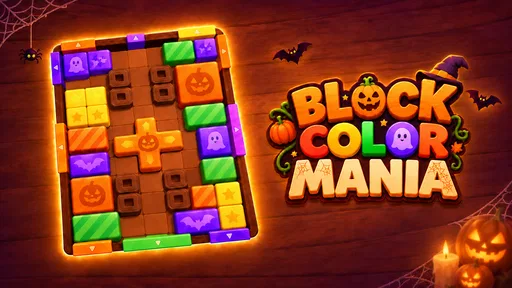
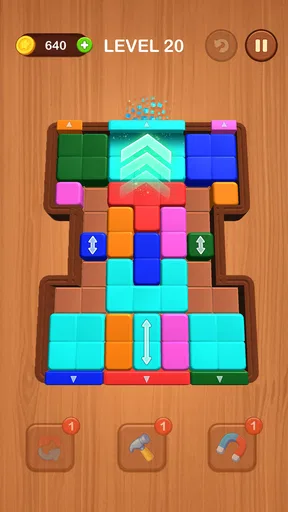
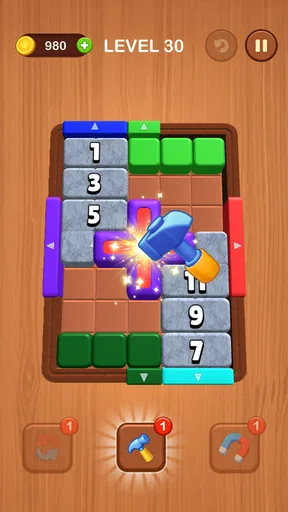
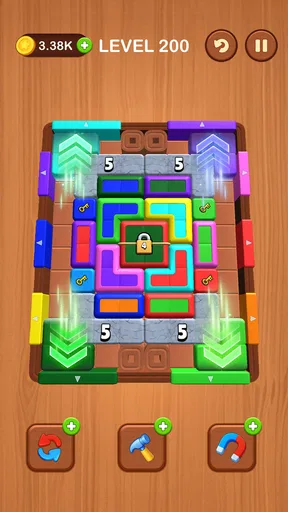
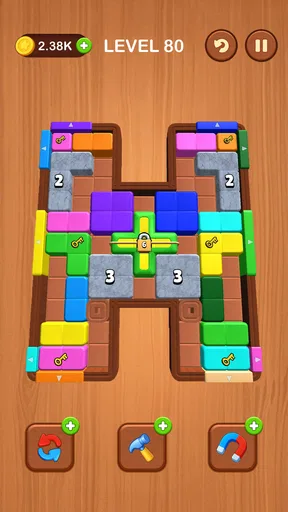
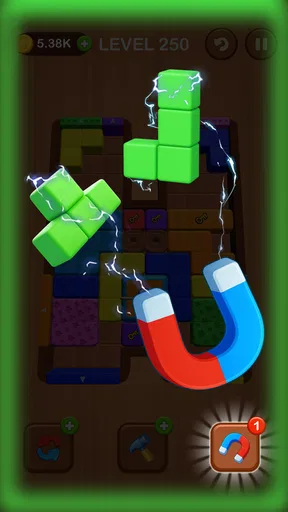
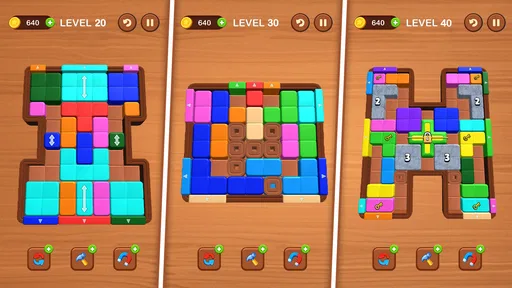
 Analysis by AppCompare
I like having a puzzle ready for the small gaps in a day: a few minutes before dinner, a quiet moment on the sofa, or a pause while someone else uses the television. Block Color Mania suits that sort of casual play because it focuses on arranging colored blocks on a board rather than on a timer or a long session. In my experience, that makes it easier to share the device without turning a quick break into a commitment.
A puzzle that fits around everyday interruptions
The no-timer approach is an important part of the appeal. You can stop to think through a board instead of racing a clock, which makes the game comfortable for a relaxed session and less stressful when you are interrupted. If a household member calls you away, there is no countdown pushing you to finish a move immediately. I would still treat a puzzle as a natural stopping point before handing over a shared phone or tablet, rather than assume the game will preserve every moment exactly as you left it.
That calm pace also gives the game a different feel from quick-match puzzles that reward rapid reactions, or word games built around finding answers under pressure. Here, the interest is in considering how the colored blocks fit together on the wooden board. It is a good choice when I want to think a little without needing a large screen, a competitive mindset, or a fixed block of free time. If I wanted a fast reflex challenge or a story-led puzzle with a continuing narrative, I would choose something else.
Sharing one device without sharing every boundary
For a family or shared device, I would agree on a simple handoff routine: finish the current board if possible, then let the next person take a turn. That avoids confusion about whose progress is whose and prevents someone else from making a move in the middle of a plan. The game is easy to understand at a glance, so a parent, older relative, or visiting friend can try it without a lengthy explanation. Still, a shared device does not automatically mean shared preferences or separate progress; I would check who is using the device and establish expectations before treating one installation as a communal game space.
Its age rating is Everyone, which makes the puzzle suitable for a broad audience in terms of its stated content classification. That is useful when choosing a low-key game for a household, but an age label is not a substitute for supervising a child’s device use or reviewing purchase settings. The game is free to download and includes optional in-app purchases priced from $1.99 to $79.99 per item. I would make sure the device’s purchase protections are set appropriately before letting a child play, particularly on a device used by several people.
Who will enjoy this sort of block puzzle?
I would recommend it to people who like visual logic, want a gentle activity between chores, or need a puzzle that can be approached at their own pace. It can also work as a shared, informal challenge: one person can suggest a move, another can look for a different arrangement, and the player holding the device makes the final choice. That kind of cooperation is more natural here than in a game built around private scores or head-to-head competition, though it depends on everyone being happy to solve the same board together.
It is less suitable for anyone who needs a substantial narrative, social competition, or constant novelty from changing game modes. A color-and-block format is deliberately focused, so players who tire of repeating a single central kind of puzzle may prefer a collection of different puzzle styles. I would also skip it when the goal is to keep a young player occupied without any adult involvement: the game itself may be straightforward, but shared-device purchases and household screen rules still need attention.
Worth Reading Before You Choose

EA SPORTS FC Mobile 26 Is a Bigger Football Game, but It Takes Time

Flipboard Shows What News Apps Must Do Beyond the Feed

Switching to Android Auto Means Rethinking Your Driving Routine

Google Calendar Makes a Crowded Week Easier to Manage

Ludo King Makes the Most of the Minutes Between Plans

Baby Panda World Brings Quick Play to Modern Phones, but Its Game Library Feels Busy
Getting Started with Block Color Mania
So, let’s dive into this colorful world. The first thing you notice when you open Block Color Mania is its vibrant and eye-catching design. The interface is simple and intuitive, making it super easy to get into the game without any fuss. You don’t need to be a puzzle master to enjoy it, but it definitely challenges you to think strategically.
Installation is a breeze. Whether you’re on Android or iOS, just head to the app store, download, and you’re good to go. No lengthy tutorials, no complicated instructions—just you and your puzzle-solving skills.
The Gameplay Experience
Let’s talk about gameplay. The objective is straightforward: match the blocks by color to clear them from the board. But here's the twist—it’s not just about clearing them; it's about doing it in the fewest moves possible. This adds an extra layer of challenge that keeps you coming back for more.
Each level presents a new challenge with a unique layout and different color patterns. The game starts off easy, but as you progress, it ramps up the difficulty, which keeps things interesting. You’ll find yourself strategizing and planning your moves like a chess grandmaster.
Planning moves without a countdown
The lack of a timer is most valuable when I stop treating each board as a race and start treating it as a small planning problem. Before moving anything, I look at the available spaces and ask which block placement will leave the most useful options afterward. A move that clears something immediately can feel satisfying, but it may not be the best choice if it leaves the remaining colors awkwardly separated. That pause-and-check habit is a practical way to avoid spending moves impulsively.
When I get stuck, I find it useful to reset my attention rather than keep repeating the same idea. I mentally trace the board from the tightest area outward: which pieces have the fewest places to go, and which open spaces could serve more than one purpose? This is a general way to reason through a block layout, not a promise that every puzzle has one obvious answer. The useful trade-off is that the game gives room to think, while the move constraint still makes careless choices matter.
Why It’s Addictive
Now, what makes it addictive? It’s the perfect blend of challenge and simplicity. You can easily pick it up for a quick session during your coffee break, but it’s also engaging enough to keep you playing for hours. Those moments when you finally clear a tough level? Pure satisfaction.
Another thing I love is the lack of intrusive ads. Sure, they’re there, but they don’t bombard you every few seconds, which is a huge plus in my book. It lets you focus on the game without constant interruptions.
Keeping a shared play session fair
On a shared device, coordination matters more than any elaborate household system. If several people want a turn, I would keep the handoff simple: tell the next player whether the current board is unfinished, and agree that they should either continue the attempt or leave it untouched. That prevents an accidental move from becoming a source of annoyance. If you want to solve together, say so before starting; otherwise, one person can take ownership of the board until they finish.
A useful variation is to have one person hold the device while another explains a possible move. It turns a solitary puzzle into a low-pressure conversation and gives younger or less experienced players a chance to participate without needing to control the screen. The limitation is that this only works when everyone is comfortable sharing suggestions. Someone who prefers to solve independently may enjoy the game more with their own device or a clear agreement that observers should wait until asked.
Design and User Interface
The design is minimalistic yet vibrant, which is perfect for a game like this. It doesn’t overwhelm you with unnecessary details. The colors are bright and cheerful, making the gameplay visually appealing. The sound effects are also quite pleasant and add to the overall experience without being too distracting.
Small habits that make the game easier to live with
For a quick break, I would start a new board only when I have enough attention to see it through to a natural pause. The absence of a timer makes interruptions less urgent, but it does not make a half-finished puzzle easier to remember after someone else has used the device. If I am playing alongside another person, I would say the intended move out loud before tapping; that simple habit helps avoid accidental disagreements about what the plan was.
Color puzzles also ask the player to distinguish visual patterns, so comfort can vary from person to person. The bright presentation is appealing to me, but anyone who finds color-heavy games tiring should try a short session first rather than assume it will suit long stretches of play. Sound is another easy consideration in a shared room: the effects are pleasant in my experience, yet a quiet household moment may call for lowering the device’s volume. These are small adjustments, but they make the game easier to fit into a real home routine.
What to expect before installing
Brainteaser Puzzle Game Studio develops this free puzzle game, and its current version is 2.6.0. It has an average rating of 4.9 from around 90,000 ratings, with more than 1 million installs. Those figures suggest that many players have tried it, but I would treat them as context rather than proof that its focused style will suit everyone. It is a small, specific kind of puzzle: the best reason to install it is that arranging blocks and thinking through moves sounds enjoyable to you.
The game is listed for Android 7.0 and later, and its content rating is Everyone. I would check the device’s compatibility and purchase settings before installing it on a child’s or shared device. The free download makes it easy to try, while the in-app purchase range is broad enough that I would not leave spending expectations unclear in a household. If you are looking for a completely different puzzle experience, such as wordplay, spatial riddles with a story, or a competitive match format, this is not a substitute for those games.
Final Thoughts
If you’re looking for a puzzle game that’s both challenging and relaxing, Block Color Mania is worth a download. It’s not just about solving puzzles; it’s about enjoying the process and giving your brain a nice little workout. Whether you’re a puzzle enthusiast or just looking for a new game to kill time, this one’s a keeper.
Give it a shot, and you might just find yourself hooked on its colorful charm, just like I did!
A household-friendly choice with clear limits
My household verdict is positive, provided everyone knows what kind of game they are getting: a focused color-block puzzle rather than a broad family game with many activities or built-in coordination tools. I like it for a quiet shared-device moment, especially when one person can play and another can offer ideas. It is also an easy solo choice for a short mental break, and the lack of a countdown gives it a gentler rhythm than many quick-play alternatives.
I would not choose it as the only game for a household with very different tastes, nor would I rely on one shared installation to keep individual turns or expectations organized. The sensible approach is to decide who is playing, keep purchase boundaries clear, and try a board or two to see whether the color-and-placement challenge clicks. If that is the kind of thinking you enjoy, this is a pleasant, accessible option; if you want speed, variety, or a story, another puzzle game will probably suit you better.
Pros
- Engaging and colorful gameplay.
- Intuitive controls make it easy to play.
- Variety of levels keeps it interesting.
- Offline mode available for on-the-go fun.
- Regular updates with new challenges.
Cons
- Ads can be intrusive at times.
- Some levels may feel repetitive.
- In-app purchases are pricey.
- Limited hints for difficult puzzles.
- Battery drain can be significant.
FAQs for Block Color Mania, Puzzle Game
What is Block Color Mania and how does it work?
Block Color Mania is a vibrant puzzle game where players match and arrange blocks of different colors to clear the board and earn points. The game challenges your strategic thinking as you must carefully plan your moves to create color combinations and chain reactions that lead to higher scores.
Is Block Color Mania suitable for all age groups?
Yes, Block Color Mania is designed to be family-friendly and suitable for players of all ages. Its intuitive gameplay mechanics make it accessible for younger players, while the increasing difficulty levels provide a challenge for adults looking for a strategic puzzle experience.
Does Block Color Mania require an internet connection to play?
Block Color Mania can be played both online and offline. While an internet connection enhances the experience with leaderboards and updates, the core gameplay is fully accessible offline, making it perfect for playing on the go without worrying about connectivity.
Are there in-app purchases in Block Color Mania?
Yes, Block Color Mania includes optional in-app purchases. Players can buy power-ups, additional levels, or cosmetic enhancements to enrich their gaming experience. However, these purchases are not necessary to enjoy or progress in the game, maintaining a balanced gaming environment.
How does Block Color Mania handle ads?
Block Color Mania incorporates ads to support its free-to-play model. Ads appear between levels but are designed to be non-intrusive. Players have the option to remove ads through a one-time purchase, offering an uninterrupted gaming experience for those who prefer it.


